NFTs and Blockchain Innovation in the iGaming Industry

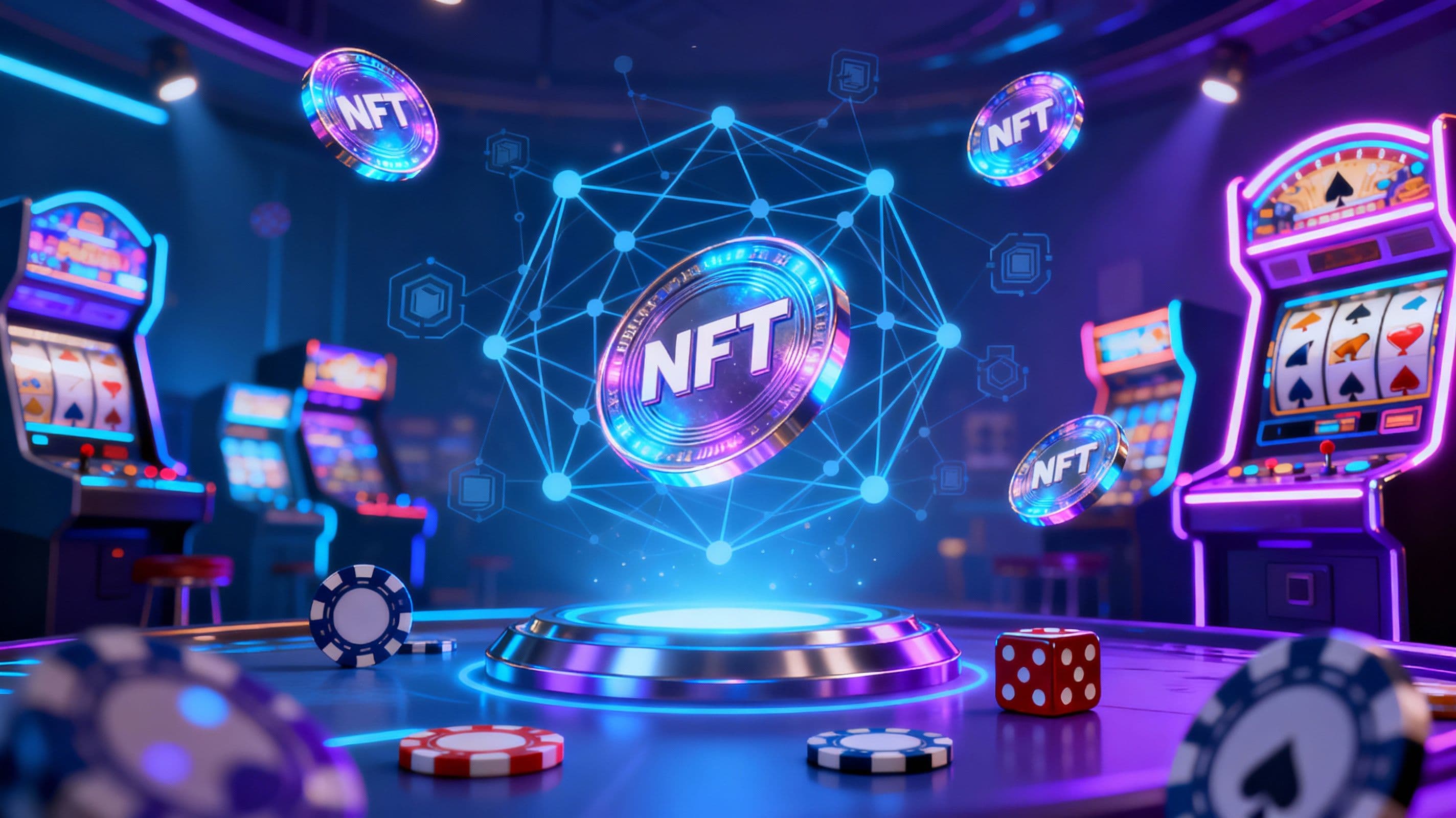
The integration of NFTs (Non-Fungible Tokens) and blockchain technology is rapidly transforming the iGaming industry by introducing innovative ways for players to own, trade, and monetize in-game assets. This trend is reshaping player engagement and creating new economic models within games.
True Digital Ownership through NFTs
NFTs enable players to possess unique digital assets such as skins, collectibles, and access passes, verifiable on the blockchain. This true ownership fosters a vibrant secondary market, allowing assets to retain or even increase their value over time, unlike traditional in-game items.
Transparent and Secure Gaming Economy
Blockchain's decentralized ledger ensures all transactions are transparent and tamper-proof, which builds trust among players and operators. This security reduces fraud and enables seamless transfers of digital assets within and across platforms, creating a more dynamic gaming economy.
Expanding Opportunities for Players and Developers
Both players and game developers benefit from the NFT model; players gain financial incentives and control over their assets, while developers open new revenue streams through royalties on secondary sales. This model encourages continuous innovation and community participation.