
Bitcoin Surges Past $73K Despite Global Geopolitical Pressure

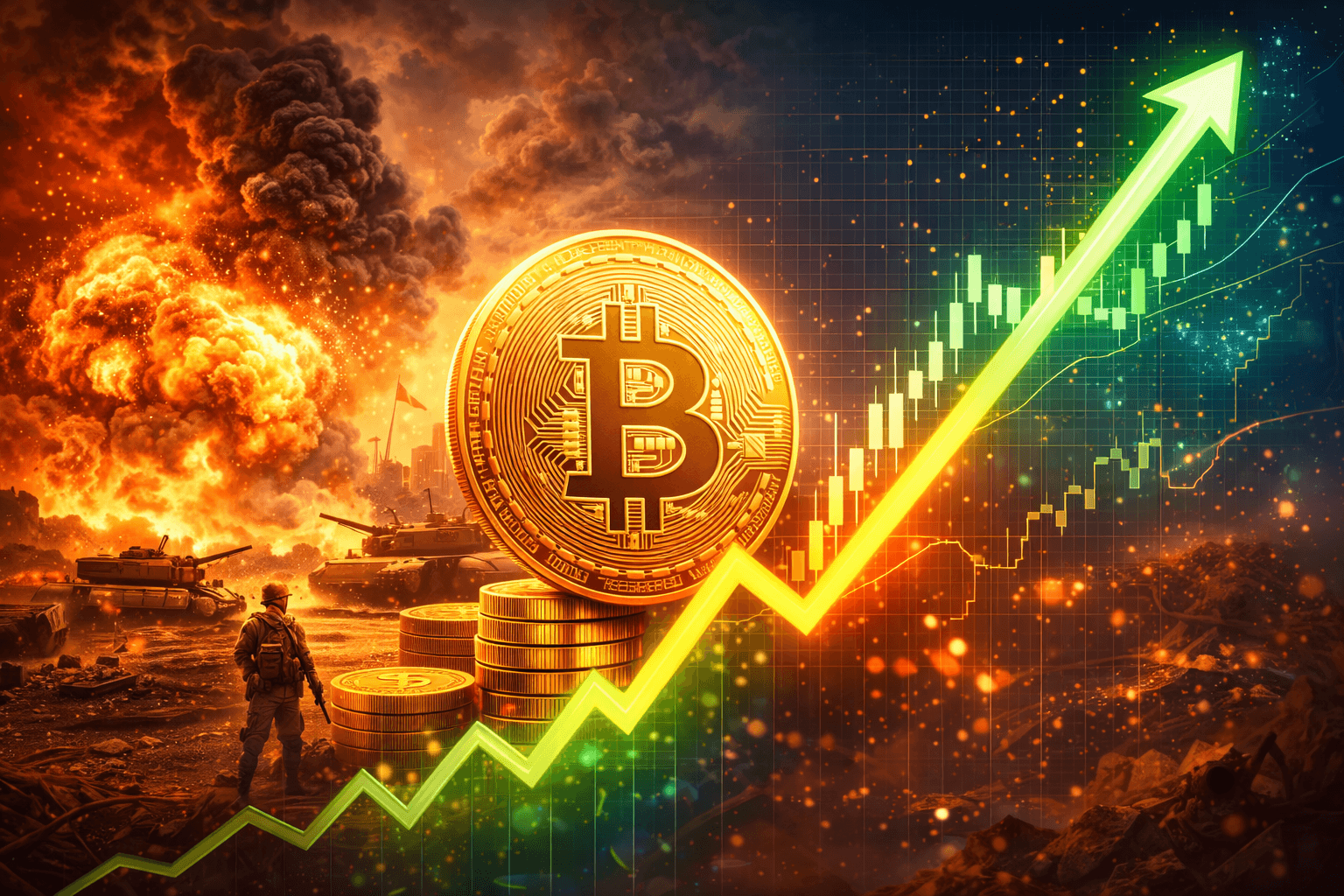
Bitcoin has once again proven its resilience. As the price climbs above $73,000, the broader crypto market is showing renewed strength despite rising geopolitical tensions and global economic uncertainty.
Historically, traditional financial markets react strongly to geopolitical events. Stocks, commodities, and currencies often experience sudden volatility when political instability or global conflicts intensify. Yet Bitcoin continues to demonstrate a unique pattern: during periods of uncertainty, interest in decentralized assets often increases.
This latest surge highlights how the crypto market has matured and why Bitcoin is increasingly viewed as a global alternative financial asset.
Bitcoin’s $73K Breakout Signals Renewed Market Momentum
Breaking the $73,000 level is not just a price milestone — it’s a psychological signal for the entire crypto market.
Major resistance levels often influence trader sentiment. When Bitcoin crosses a key threshold, it typically triggers increased trading activity, liquidations of short positions, and renewed investor optimism.
Historically, similar breakouts have sparked broader rallies across altcoins and decentralized finance sectors.
Why Geopolitical Tensions Often Boost Bitcoin Interest
Geopolitical uncertainty tends to push investors toward assets perceived as independent from traditional financial systems.
Bitcoin’s decentralized structure makes it attractive during these periods. Unlike fiat currencies controlled by governments or central banks, Bitcoin operates on a global network without a central authority.
When geopolitical risks rise, investors often seek assets that are:
- Borderless
- Censorship-resistant
- Accessible without traditional banking infrastructure
These characteristics make Bitcoin particularly appealing in uncertain times.
Institutional Demand Continues to Strengthen the Market
Another key factor supporting Bitcoin’s resilience is growing institutional participation.
Over the past few years, large financial institutions, asset managers, and investment funds have entered the crypto market. Their involvement increases liquidity and stabilizes market structure compared to earlier cycles dominated by retail traders.
Institutional adoption has also contributed to Bitcoin’s evolving reputation as a “digital gold” asset — something investors may hold during economic or political instability.
Crypto Market Ripple Effect
When Bitcoin moves strongly, the rest of the crypto market often follows.
Altcoins, decentralized finance projects, and blockchain gaming ecosystems tend to benefit from increased capital inflows during bullish Bitcoin momentum.
A rising BTC price typically leads to:
- Higher overall market liquidity
- Increased investor confidence
- Greater adoption of blockchain-based services
This ripple effect spreads across the entire digital asset ecosystem.
Impact on Crypto Casinos and iGaming
The crypto iGaming sector also feels the effects of Bitcoin rallies.
When BTC rises significantly:
- Player bankroll values increase
- Betting activity tends to grow
- Higher-risk gameplay becomes more common
Bullish markets often bring renewed excitement to crypto casinos as players feel more comfortable wagering with appreciating assets.
However, experienced players also recognize the importance of separating crypto investment gains from gambling risk, especially during strong market cycles.
Volatility Remains Part of the Equation
Despite the bullish momentum, Bitcoin remains a volatile asset.
Price surges can be followed by corrections, and sudden macroeconomic developments can still affect crypto sentiment. While Bitcoin’s resilience is notable, investors and players alike must remain aware that volatility is part of the asset’s nature.
Understanding this dynamic helps participants approach the market with balanced expectations.
What This Means for the Future of Crypto
Bitcoin crossing the $73K mark during a period of geopolitical uncertainty reinforces a broader trend: crypto is becoming increasingly integrated into global financial conversations.
Rather than existing on the fringe, digital assets are now part of the macroeconomic landscape.
As adoption continues to grow and infrastructure improves, Bitcoin may further solidify its role as both a speculative asset and a long-term store of value within the global economy.